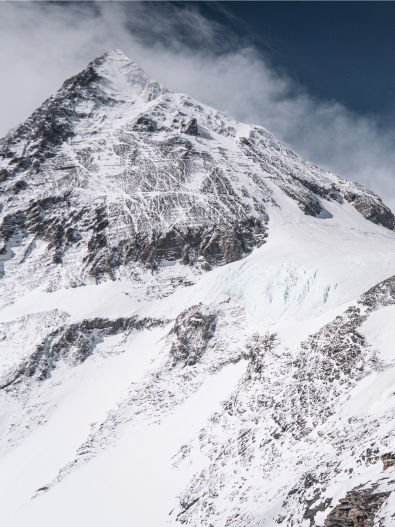
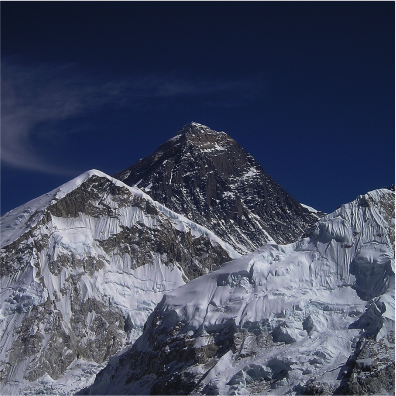
MOUNT KILIMANJARO

Mount Kilimanjaro, Africa's highest peak at 5,895 meters, offers an accessible yet challenging climb with stunning landscapes and diverse ecosystems.
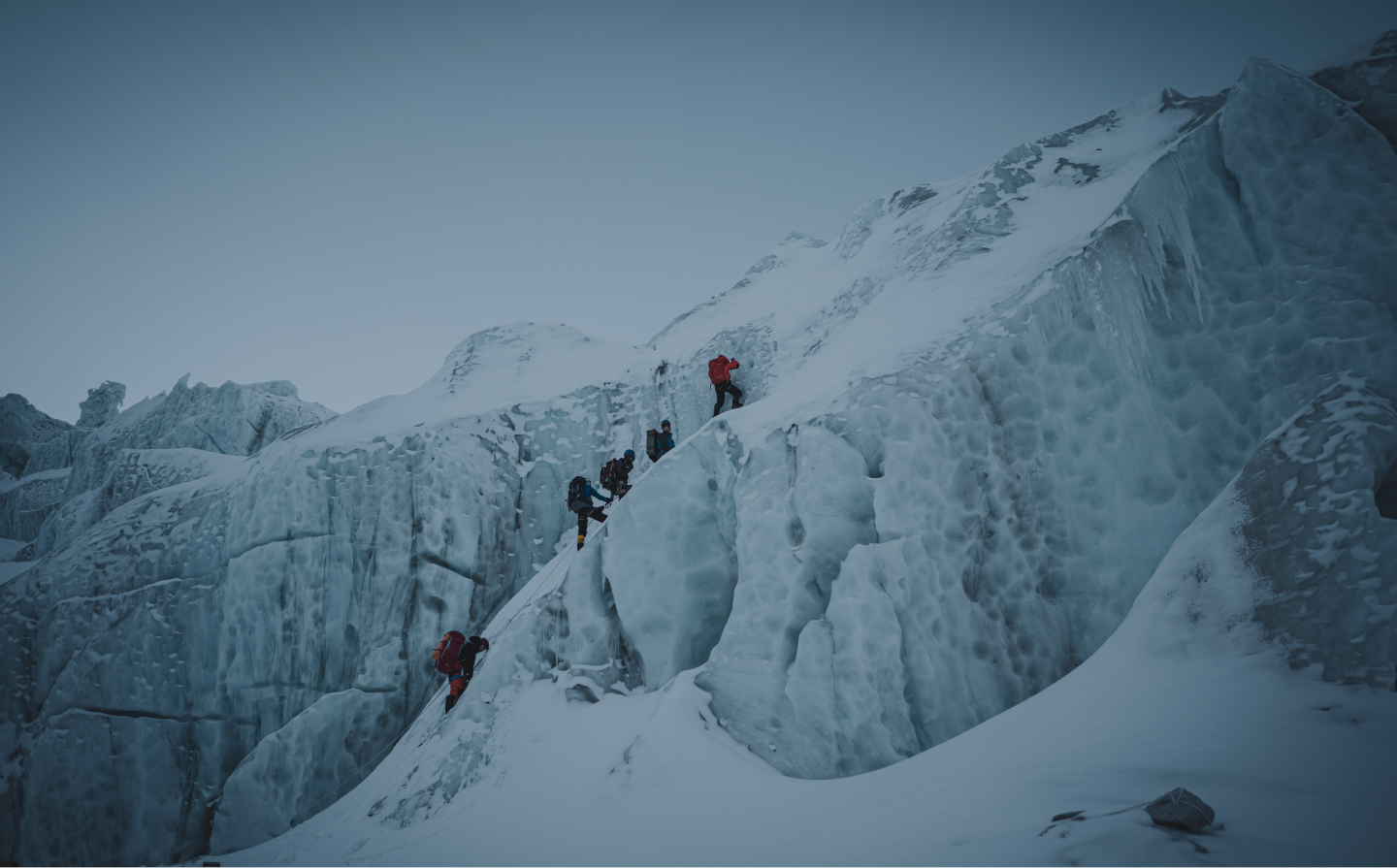
MOUNT KILIMANJARO
" />
inqury a trip

Expedition Overview

Share Us

Country Tanzania

Activity 7 Summits

Accommodation Hotel/Hut

Walking 4-6 hrs

Maximum Altitude 5895 M

Duration 8 Days

Difficulty Easy

Group Size 10

Mount Kilimanjaro is the highest mountain in Africa, standing at 5,895 meters (19,341 feet). Its name means “Mountain of Greatness,” reflecting the beauty and majesty of the mountain. Kilimanjaro is located in Tanzania, near the border with Kenya. Climbing Kilimanjaro is considered less technical compared to other mountains of similar height. This is because the most common route, the Marangu Route, doesn’t have as many difficult sections. This makes it a popular choice for climbers attempting a high-altitude peak for the first time. However, climbing Kilimanjaro is still a serious challenge. The high altitude brings risks such as altitude sickness and extreme weather. Climbers also face steep trails and need to be well-prepared for the physical and mental demands of the ascent. Despite being one of the more accessible high-altitude peaks, Kilimanjaro is not to be underestimated.

Our Experts

Includes

1. Transport & Accommodation

√ Pick and Drop Off: Airport transfers to and from the hotel. √ Accommodation: 3 nights accommodation before and after the climb.

2. Climbing Fees & Taxes

√ Park Fees: All necessary park fees for the climb. √ VAT: 18% Value Added Tax.

3. Meals & Services

√ Food: Full board meals provided on the mountain. √ Camp Gear: All essential camping gear including tents, tables, chairs, and mattresses.

4. Crew & Support

√ Crew Salaries: Compensation for all crew members involved in the expedition. √ Private Toilet: Access to a private toilet during the climb. √ Medical Check-Up: Medical check-ups twice a day. √ Oxygen: Supplemental oxygen provided during the climb if necessary.

Excludes

1. Travel & Flights

× Air Ticketing: International and domestic flights to and from Tanzania.

2. Meals & Accommodation

× Food and Drinks at the Hotel: Meals and beverages at the hotel before and after the climb.

3. Personal Gear & Expenses

× Personal Hiking Gear: Individual hiking equipment and gear.

4. Tips & Gratuities

× Tips: Gratuities for the crew members.

Trip Itinerary

Days Programs Meals Accommodation
1 Arrival in Marangu & transfer to the hotel(1850m) D Hotel
2 Marangu gate to Mandara Hut(2700m) B/L/D Hut
3 Mandara Hut(2700m) to Horombo Hut(3700m) B/L/D Hut
4 Acclamatization day at Horombo Hut(3700m) B/L/D Hut
5 Horombo Hut to Kibo Hut(4700m) B/L/D Hut
6 Summit Day and Back to Horombo Hut(3700m) B/L/D Hut
7 Horombo Hut to Marangu Gate B/L/D Hotel
8 Final Departure B -

FAQs

The best time to climb Mount Kilimanjaro is during the dry seasons, which are from late June to October and from December to March. These months offer the most favorable weather conditions, with less rainfall and clearer skies for a smoother trekking experience.

No, prior mountaineering experience is not required to climb Kilimanjaro, as most routes are non-technical. However, it is important to be in good physical condition and prepared for the challenges of high-altitude trekking. 14 Peaks Expedition provides expert guides and support throughout the journey.

The typical Kilimanjaro expedition takes around 6 to 8 days, depending on the route. This includes acclimatization days to help reduce the risk of altitude sickness. 14 Peaks Expedition designs itineraries that balance a steady pace with proper acclimatization for a higher chance of success.

14 Peaks Expedition includes airport transfers, accommodation before and after the climb, park fees, full board meals on the mountain, essential camping gear, crew salaries, medical check-ups, and supplemental oxygen if necessary, ensuring a comprehensive and comfortable experience.

Altitude sickness is a concern for all climbers at high altitudes. 14 Peaks Expedition mitigates the risk by following a gradual ascent, providing proper acclimatization days, and conducting regular medical check-ups. Additionally, supplemental oxygen is available for climbers if necessary.

Trekking Gear List

Travel Documents

Valid Passport
Debit/Credit Card
PP Size Photos(4 Pieces)
Insurance Paper/Certificate

Medicine / First Aid Kits

Paracetamole

Upper Body

Thermal Base Layer
Fleece Jacket
Gore Tex Jacket
Warm Jacket
Wind Proof Jacket
Down Jacket
Cotton T-Shirt

Lower Body

Trowser
Bottom Base Layer
Fleece Trouser
Gore Tex Pant
Heavy Weight Pant
Mid Weight Pant
Trekking Pant
Under Wear
Down Pant
Gaiters for Trekking Boots
Climbing Boot -6000m
Normal Socks
Summit Socks
Trekking Shoes
Thermal Bottom Base Layer
Trekking Pants

Foot Wear

Summit Boot - 8000m
Sport Shoes

Hand

Thin Fleece Gloves
Wind Stopper Gloves
Heavy Gloves(Guide)
Summit Gloves

Head

Sun Cap
Desert Cap
Fleece Hat/Warm Hat
Neck Gaiter

Eating & Drinking

Water bottle
Thermos

Bag Packs

Rucksack 35L-50L
Duffle Bag
Dry Bags

Miscellaneous

Trekking Pole
Pocket Knife
Nail Cutter
Umbrella/Rain Coat
Hot Water Bag
Pee Bottle
Tenacious Tape Repair
Altimeter Watch
Satellite Phone(Optional)
GPS Tracker
Power Bank
Camera

Review

Add Review

Similar Packages